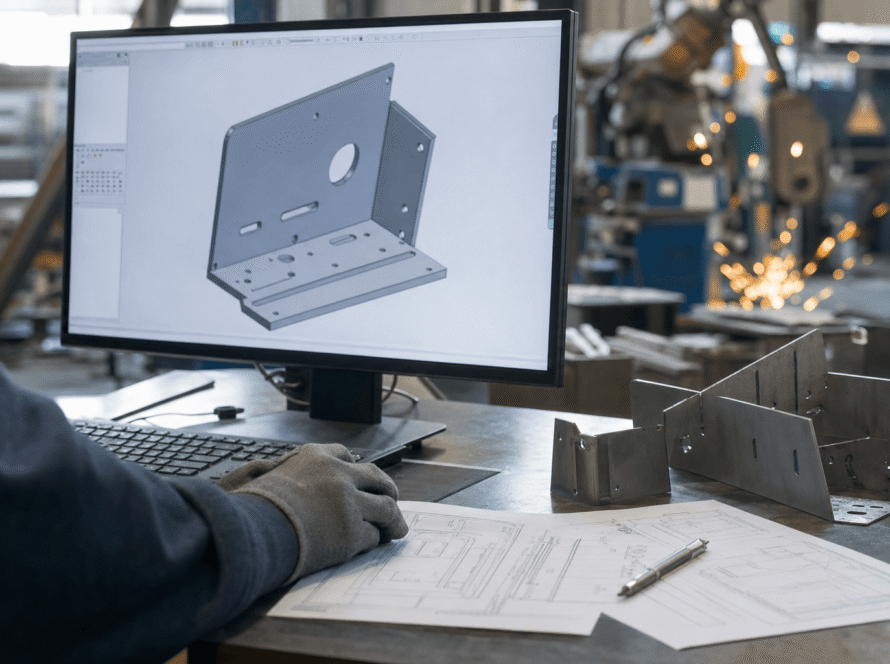
Sheet Metal Manufacturing: Welding Comparison
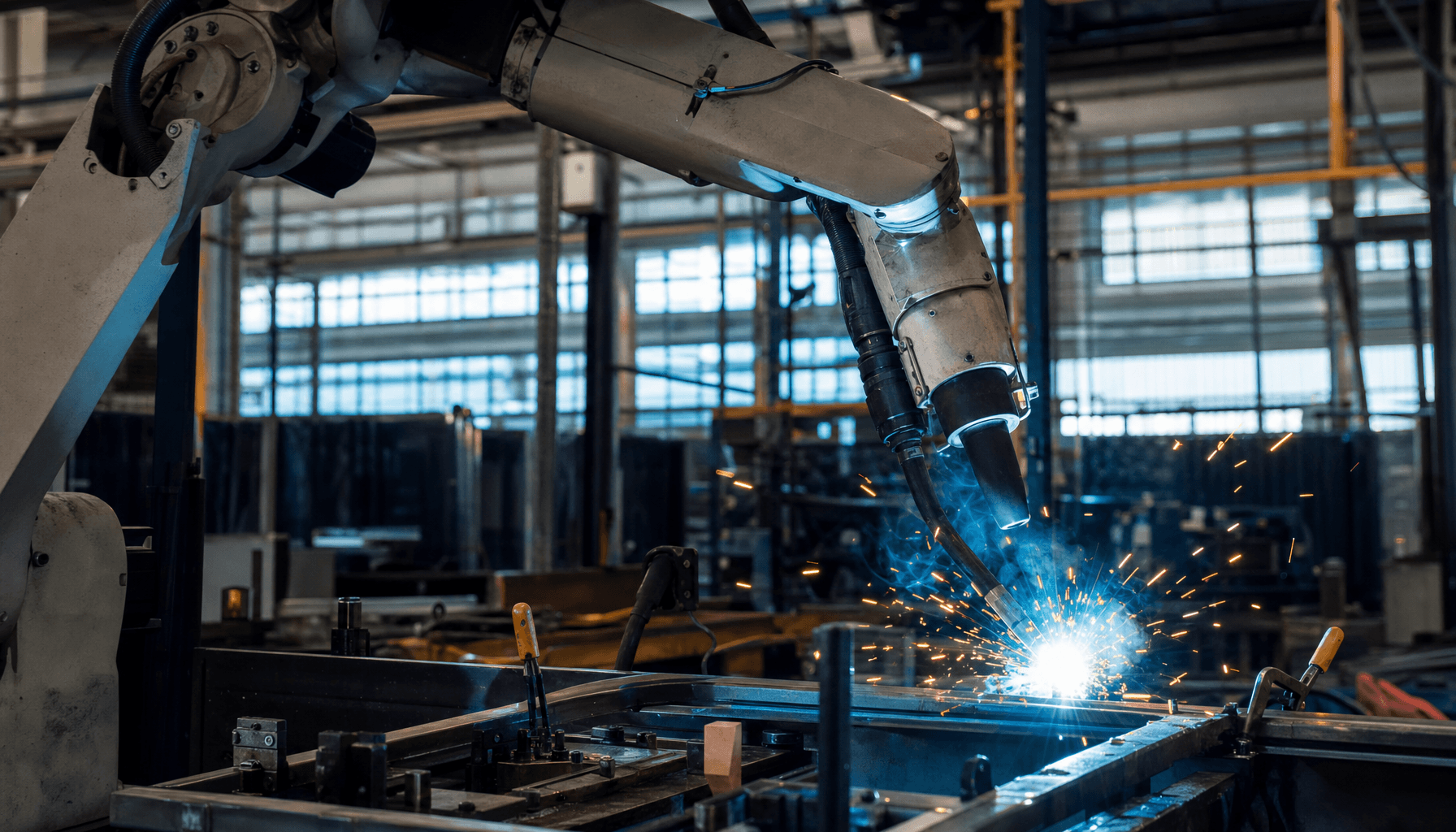
The Precision of Robotic Welding
In the realm of industrial welding, the conversation often pivots around precision and consistency. Unlike manual processes, robotic welding significantly reduces defect rates, lowering variance from a typical 8% down to an impressive 1%, according to industry standard evaluations from bodies like the ISO and IEC. These statistics highlight how automation can enhance quality control in high-volume production environments.
When Manual Welding Holds Its Ground
Despite the advancements in robotic technology, traditional manual welding still holds a vital place, particularly in low-volume and custom applications. Skilled artisans bring flexibility and intuitive adjustments to projects that require a human touch and adaptive decision-making. This adaptability is particularly valuable in custom-fabrication scenarios where precision-tuned automation is not economically feasible.
The Role of Automation in Sheet Metal Manufacturing
Automated welding processes have become essential across modern factory floors, where consistency and speed are paramount. According to the International Federation of Robotics (IFR), over 40% of manufacturing tasks could be automated, suggesting a significant shift towards robotic processes in sectors like sheet metal manufacturing. Although Dongji Intelligent Equipment exemplifies the integration of advanced robotics in their operations, this trend reflects a broader industry movement towards minimizing defects and maximizing output consistency.
Evaluating Costs and Benefits
It’s crucial to weigh the cost implications of integrating robotic systems against the tangible benefits. High initial investments in robotic welding setups are often offset by increased efficiency, lower material wastage, and reduced labor costs over time. However, for certain small-scale operations, manual welding remains cost-effective, avoiding the steep procedural and equipment expenses.
Conclusion: In conclusion, whether through manual artistry or automated precision, the welding field presents multiple options depending on the production requirements. While robots bring undeniable advantages in speed and consistency, manual methods offer irreplaceable value in certain contexts, crafting a balanced ecosystem within sheet metal manufacturing. For further insights, remember, more technical breakdowns are available on our blog.