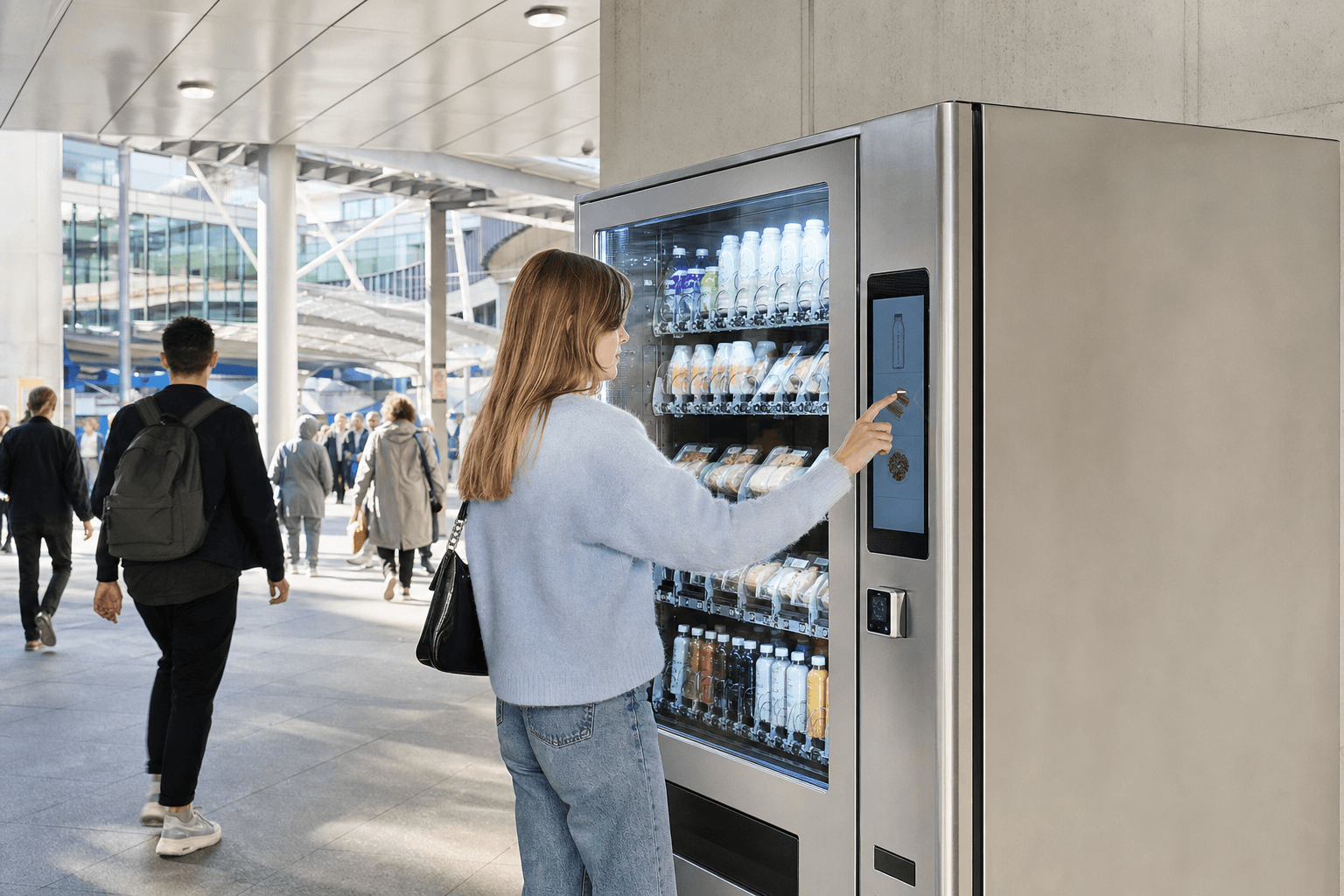
In an increasingly competitive global market, the decision to source vending machines from OEMs in China can represent a significant cost savings opportunity, but it’s essential to grasp the full scope of what’s involved. Procurement managers must navigate a complex landscape of tariffs, shipping logistics, material costs, and technology standards to ensure their supply chain remains robust and cost-effective.
Understanding the True Cost of Sourcing Vending Machines from OEMs in China
Economic Considerations: Tariffs and Currency Fluctuations
Industry References
For deeper context on sourcing vending machines China standards and best practices, see:
ISO — International Organization for Standardization
and
FMA — Fabricators & Manufacturers Association.
The economic landscape is one of the first areas to consider when sourcing vending machines from China. The imposition of tariffs, such as those seen during the U.S.-China trade war, can substantially affect total cost of ownership. According to data from S&P Global, tariffs on Chinese-made goods can add anywhere from 10% to 25% to import costs, altering profitability margins.
Furthermore, currency fluctuations present another financial risk. The valuation of the Chinese yuan against the U.S. dollar can affect cost calculations, as purchasing contracts can become more expensive if the yuan strengthens. Monitoring currency trends through reliable sources like Bloomberg can provide a strategic advantage.
Technical Insight: Manufacturing Processes and Quality Control
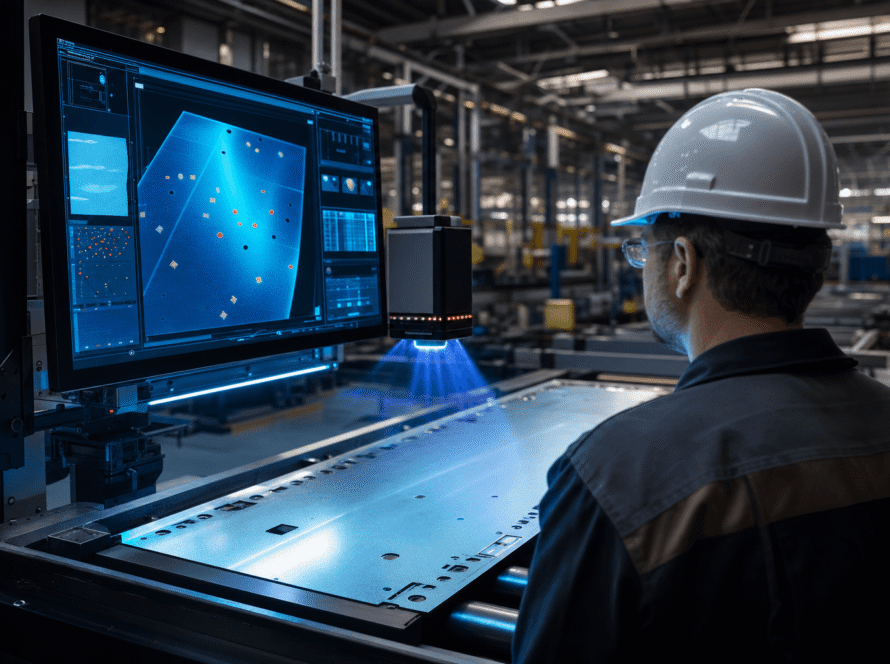
Technical proficiencies in manufacturing also play a pivotal role. Chinese manufacturers have increasingly adopted advanced technologies such as CNC bending, robotic welding, and powder coating to enhance precision and quality. Factories like Dongji Intelligent Equipment in the Greater Bay Area illustrate how the integration of automation is reducing labor costs and improving consistency — robotic welding alone contributes to over 30% labor reduction in some operations, according to industry estimates.
Quality control is another critical aspect, with many factories adhering to international standards such as ISO 9001 for quality management systems. It’s crucial to verify these our 100+ technical patents in any potential supplier to ensure alignment with your own quality assurance requirements.
Regulatory Environment: Compliance and Standards
When importing vending machines, compliance with relevant international and local regulations is non-negotiable. This involves ensuring that products meet CE marking requirements in Europe or comply with UL standards in the United States. IEC (International Electrotechnical Commission) standards, such as IEC 60204 for electrical equipment safety, can provide guidance on compliance requirements for machinery.
Failing to adhere to these regulations can result in costly delays and penalties, so having a clear understanding of these standards is vital. An audit or factory Dongji factory tour.com/faqs/” style=”color:#0056b3;font-weight:600;text-decoration:underline;text-decoration-color:#0056b3;text-underline-offset:2px;” target=”_blank” rel=”noopener”>sheet metal sourcing FAQs Questions
- What are the hidden costs when sourcing from China?
– Hidden costs can include tariffs, increased shipping rates, currency fluctuations, and compliance-related expenses. It’s critical to account for these in your total cost analysis to avoid unexpected financial strain.
- How can I ensure my vendor in China meets quality standards?
– Perform regular audits and ensure your vendor holds verifiable certifications like ISO 9001. You might also consider third-party inspections to maintain quality assurance.
- What logistical challenges should I expect?
– Logistical challenges can include shipping delays, customs clearance issues, and changes in shipping regulations. Partnering with a reliable freight forwarder and staying informed on international logistics trends can help manage these risks effectively.
In conclusion, while sourcing vending machines from Chinese OEMs can be cost-effective, it’s essential to consider the broader implications of this decision, from economic and technical factors to compliance and strategic risk management. Keeping abreast of industry trends and regulations can empower procurement managers to make well-informed, strategic choices that optimize their supply chain. How will emerging technologies and shifting global dynamics shape your sourcing strategy in the future?
About This Article
This analysis was prepared with reference to industry data from IFR, ISO, and McKinsey.
For related topics, see our 2026-2030 Industry Outlook
or browse manufacturing capabilities reference.