The decision to source vending machines from China may seem straightforward due to the potential for cost savings. However, a deeper dive into the process reveals a complex web of considerations that procurement managers must navigate. Beyond unit price, factors such as compliance with international standards, logistical challenges, and political risks play crucial roles in the final cost assessment.
What is the True Cost of Sourcing contract manufacturing partner Vending Machines from China?
Understanding Initial Cost vs. Total Cost of Ownership
Industry References
For deeper context on sourcing vending machines standards and best practices, see:
PMA — Precision Metalforming Association
and
AWS — American Welding Society.
While the allure of lower manufacturing costs in China is undeniable, procurement professionals must distinguish between initial procurement cost and the total cost of ownership (TCO). According to McKinsey, up to 30% of sourcing projects experience hidden costs that erode initial savings. These can include unexpected tariffs, compliance with import regulations, or increased shipping costs due to geopolitical tensions.
A salient example is the fluctuation of tariffs and trade policies between the US and China, which can add unpredictability to landed costs. As of the latest data, the tariffs reintroduced in 2018 remain a pivotal consideration in TCO calculations for products manufactured in China.
Quality Standards and Compliance Considerations
Ensuring that vending machines meet critical compliance standards is non-negotiable. This includes adherence to safety and performance standards such as those outlined in ISO 9001 for quality management systems and IEC 60204 for electrical safety in machines. Procurement leaders must validate that their Chinese vendors adhere strictly to these standards to avoid costly recalls or legal complications.
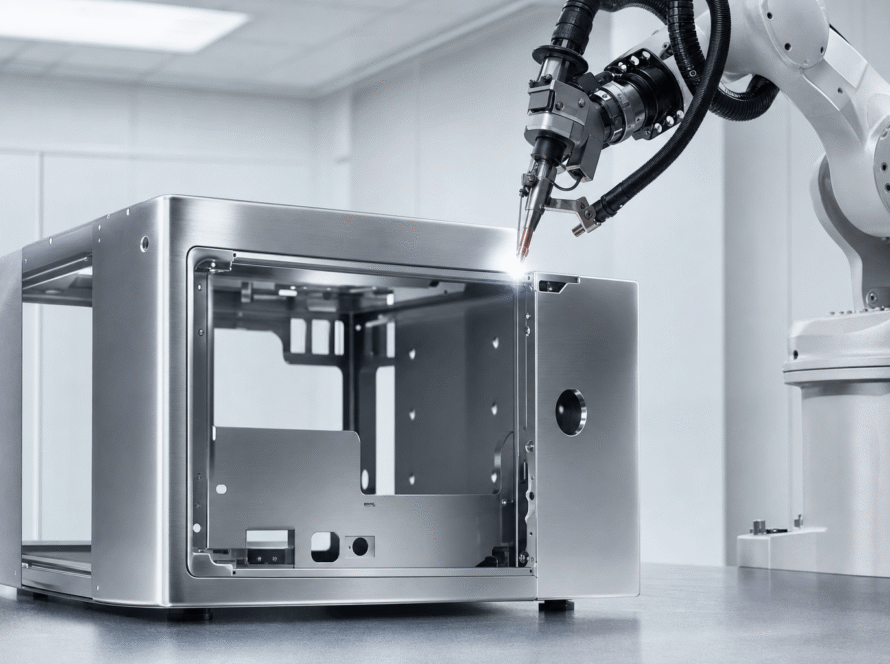
Furthermore, sourcing from manufacturers who have integrated advanced quality control systems like ERP/MES can provide transparency into production processes. Factories such as Dongji Intelligent Equipment in the Dongji factory tour, with their highly automated systems, exemplify the industry’s shift towards digital manufacturing transparency and traceability.
Manufacturing vs. Assembly: A Look at Production Capabilities
A critical decision for OEMs is whether to source completed machines or sub-assemblies from China. Each option has strategic implications:
- Complete Production: Sourcing fully assembled vending machines from China can reduce complexity in logistics but potentially increases risk related to quality control and testing.
- Sub-Assemblies: Procuring parts or sub-assemblies can offer better control over final assembly quality, but may require infrastructure provision in the destination market.
According to industry data from S&P Global, the choice between these approaches often depends on a company’s in-house capabilities and market entry strategy.
Risk Mitigation: Navigating Geopolitical and Economic Factors
Geopolitical tensions, particularly between the US and China, introduce significant risks to sourcing strategies. Procurement professionals must develop robust risk mitigation plans to manage potential disruptions. Strategies could include diversifying supplier bases, enhancing supply chain visibility, and maintaining buffer stocks in strategic locations.
The regulatory landscape is another evolving area. Recent developments in environmental regulations might necessitate compliance adjustments that could impact production costs. Staying abreast of policy changes is crucial for procurement leaders to adapt and avoid sudden cost escalations.
sheet metal sourcing FAQs Questions
Q: What compliance standards are critical for vending machines manufactured in China? A: Key standards include ISO 9001 for quality management and IEC 60204 for electrical safety. Ensuring adherence is essential to avoid product recalls or export restrictions.
Q: How can I mitigate risks associated with Chinese sourcing? A: Diversifying supplier networks, engaging in dual sourcing, and maintaining a close watch on regulatory changes help in minimizing risks.
Q: Should I source fully assembled machines or opt for sub-assemblies? A: This decision hinges on internal capabilities and strategic goals. While full assembly reduces logistics complexity, sub-assemblies can enhance quality control if adequate infrastructure is available domestically.
—
Navigating the true cost of sourcing vending machines from China requires a sophisticated understanding of both visible and hidden factors. As OEMs weigh these considerations, the evolving landscape of global trade will continue to challenge and shape strategic sourcing decisions. How will upcoming technological advancements further impact these strategies?
About This Article
This analysis was prepared with reference to industry data from IFR, ISO, and McKinsey.
For related topics, see our 2026-2030 Industry Outlook
or browse manufacturing capabilities reference.