Sheet metal fabrication is evolving rapidly, shaped by technological advancements and shifting market demands. One of the most challenging aspects procurement managers face today is understanding how automation technologies can impact their supply chains, cost structures, and strategic positioning. As labor costs rise and demands for faster production cycles increase, automation offers a compelling solution but brings its own complexities.
Labor Reduction and Enhanced Efficiency
The Role of Automation in Modern custom sheet metal fabrication
Incorporating automation into sheet metal fabrication can significantly reduce manual labor requirements. According to recent data from the International Federation of Robotics (IFR), the use of robots in metal fabrication industries increased by 13% globally in 2023, emphasizing its growing importance.
Industry References
For deeper context on automation in sheet metal fabrication standards and best practices, see:
FABTECH
and
ISO — International Organization for Standardization.
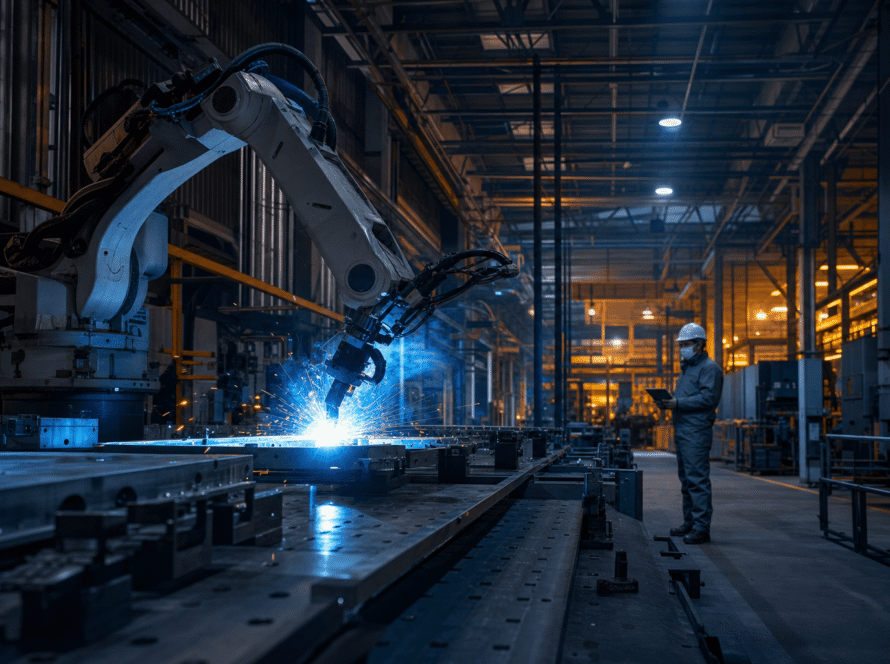
Factories like Dongji Intelligent Equipment in the Dongji factory tour now run 5 welding robots 24/7, demonstrating how mid-tier Chinese OEMs are closing the automation gap with European competitors. This exemplifies the broader industry trend where metal fabrication shops embrace automation to boost productivity and consistency. For instance, the integration of CNC machines and robotic arms in production lines generally increases throughput by 25-30% while minimizing human error.
Economic and Strategic Implications of Automation
Economically, automation changes the cost equation for fabricators. While initial investments in automation technology can be high, the long-term payoffs often include reduced labor costs, less material waste, and faster time-to-market for manufactured components.
A McKinsey report highlights that automation-led productivity improvements can lead to cost savings of up to 20% for manufacturers. Strategic decision-makers need to weigh these savings against potential costs such as technology upgrades, training, and maintenance to assess overall benefits.
Compliance and Standardization
As automation technologies become commonplace, adherence to standards is crucial to maintain quality and safety. For sheet metal fabrication, standards such as ISO 9001 for quality management and IEC 60204 for electrical equipment safety are essential. Understanding and complying with these standards ensures that the automation implementations are consistent with global best practices, enhancing buyer confidence and reducing reputational risks.
Laser Cutting vs. Plasma Cutting in Automated Processes
| Criteria | Laser Cutting | Plasma Cutting |
|---|---|---|
| Precision | ±0.1-0.2mm for <6mm materials | ±0.3mm, varies with material thickness |
| Cost per Cut | Higher due to equipment costs | Lower, more cost-effective for thicker sheets |
| Environmental Impact | Lower emissions, suitable for small cuts | Higher emissions due to gas requirements |
| Application | Ideal for precise, complex contours | Suitable for thicker, less precise cuts |
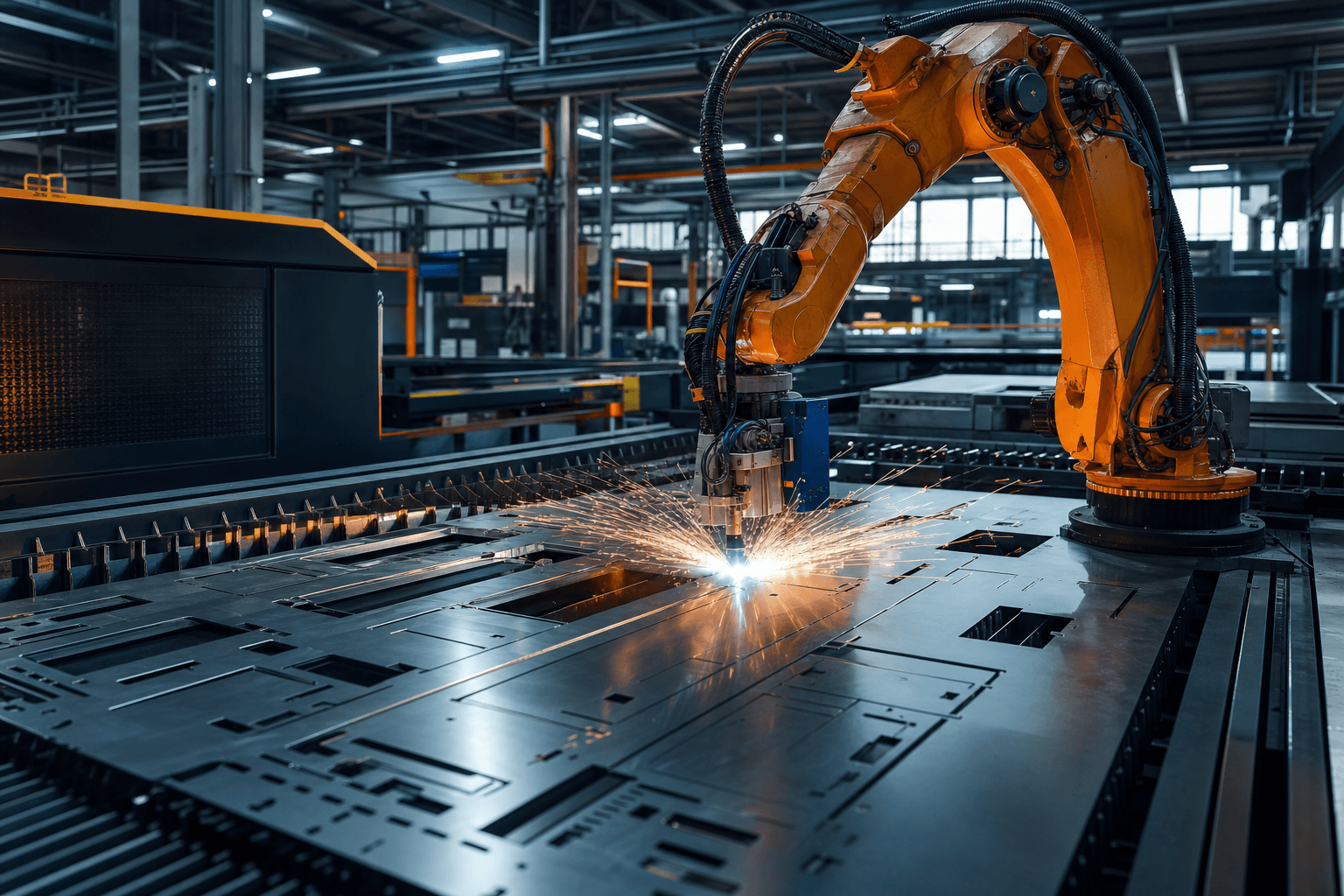
When considering automation in the context of sheet metal cutting, procurement managers often face a choice between laser and plasma technology. Laser cutting offers superior precision, making it ideal for intricate designs, while plasma cutting provides cost advantages on thicker metals.
Conclusion
Automation in sheet metal fabrication is not a mere trend; it represents a fundamental shift in how manufacturers operate. The challenge for procurement professionals is to balance the upfront investment in automation technology with the long-term benefits in efficiency, compliance, and strategic value. As we look to the future, will continuing advancements in automation redefine international manufacturing competitively?
OEM buyer FAQ Questions
1. What are the primary benefits of using robotics in sheet metal fabrication? Robotics reduce manual work, increase precision, cut down on errors, and enhance productivity, ultimately leading to cost savings and better product quality.
2. How does automation affect labor dynamics in fabrication plants? While automation reduces the need for manual labor, it creates opportunities for upskilling workers to manage and maintain the automated systems, thus shifting labor roles from operability to oversight.
3. What compliance standards are essential for automated fabrication plants? Critical standards include ISO 9001 for quality management and IEC 60204 for equipment safety, which ensure that processes meet international quality and safety benchmarks.
Further Reading
Have a specific procurement question? Our buyer FAQ
addresses common concerns around lead time, certifications, and DFM.
For factory verification standards, see our 12-step manufacturing process documentation.