In an era driven by rapid technological advancements, procurement strategies for sheet metal are under immense pressure to evolve. At the heart of this transformation is Industry 4.0, the dawning of a new age in manufacturing, defined by the integration of digital and physical systems. Procurement managers and supply chain leaders are now questioning how these innovations can reshape their sourcing strategies, enhance operational efficiency, and contribute to long-term sustainability.
Transforming Sheet Metal Procurement with Industry 4.0
The Levers of Industry 4.0: A Technical Perspective
Industry References
For deeper context on industry 4.0 sheet metal standards and best practices, see:
The Fabricator
and
SME — Society of Manufacturing Engineers.
Industry 4.0 encompasses a suite of technologies that fundamentally alter industrial production. Automation, IoT, artificial intelligence, and data analytics are not just buzzwords—they’re revolutionizing how sheet metal is processed. According to the International Federation of Robotics’ 2024 World Robotics Report, the operational stock of industrial robots is expected to surpass 3 million units globally, double the number from just five years ago. For sheet metal facilities, this means unprecedented precision and productivity.
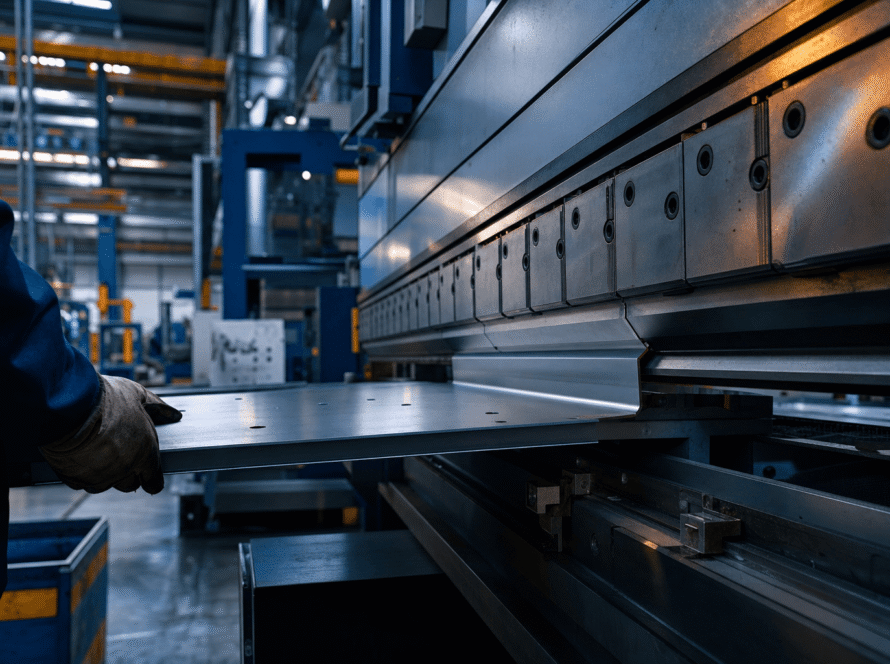
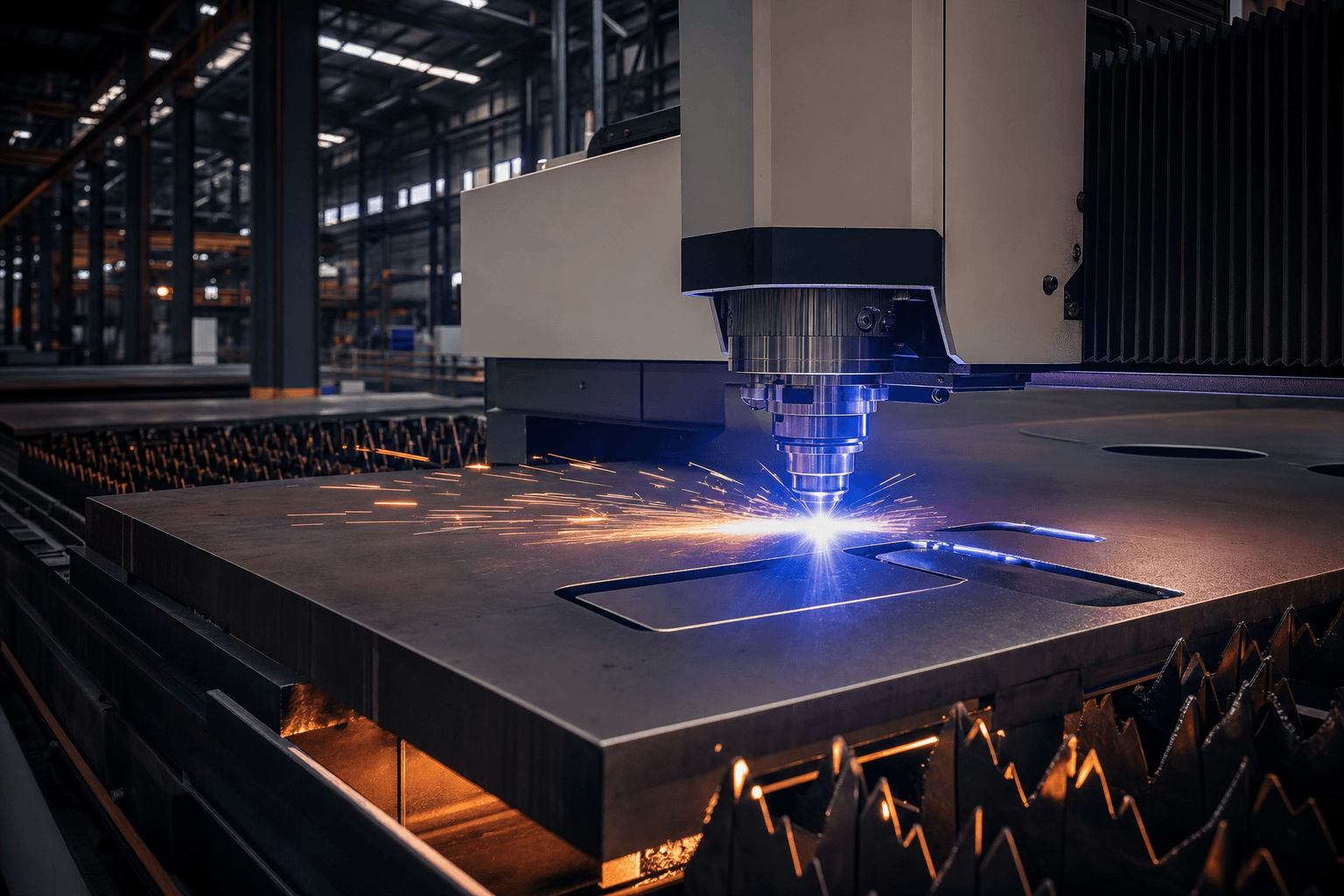
As robots take on roles traditionally filled by human labor—like welding, bending, and assembly—manufacturers achieve tighter tolerances and reduced waste. For instance, expect laser-cut mild steel under 6mm thickness to maintain a 0.1-0.2mm tolerance, though thicker sheets may require a ±0.3mm allowance due to thermal distortion. Such precision translates into higher quality components and lower scrap rates.
Economic Impacts: Cost Optimization and Beyond
Adopting an Industry 4.0 approach doesn’t just enhance technical capabilities; it fundamentally changes the economic equation of sheet metal sourcing. A McKinsey & Company report suggests that smart factory solutions can result in a 10-20% reduction in manufacturing costs. The cost savings stem from a mix of automation, improved forecasting, and optimized logistics.
Remote monitoring and predictive maintenance minimize downtime, while integrated supply chain solutions enhance delivery reliability. Automated inventory management systems prevent stockouts and overordering, aligning production schedules tightly with demand patterns. These efficiencies are crucial as global markets continue to face unpredictability due to geopolitical tensions and supply chain disruptions.
Navigating the Regulatory Landscape
Procuring sheet metal in the Industry 4.0 era also demands an understanding of evolving regulatory standards. Compliance remains a significant concern, particularly as national and international standards evolve to accommodate new technologies.
Standards like ISO 9001 for quality management ensure that processes remain consistent and efficient. For electro-mechanical components, adhering to IEC 60204 stipulates the safe functioning of electrical equipment, which is critical in automated environments. Factories must also grapple with cybersecurity standards to safeguard data integrity within the IoT ecosystems.
Strategic Sourcing and Global Supply Considerations
Manufacturing hubs across the globe are embracing Industry 4.0, but differences in implementation can influence procurement decisions. When comparing sourcing from China to other regions like Mexico, consider factors like labor costs, proximity to market, and the level of industrial automation.
Some Chinese factories—like Dongji Intelligent Equipment in the Dongji factory tour—have invested heavily in robotic welding, which now accounts for over 30% of fabrication labor reduction industry-wide. This focus on automation allows Chinese manufacturers to compete on both cost and quality with their Western counterparts.
Yet, as Industry 4.0 levels the playing field, companies must evaluate suppliers based on their digital maturity and ability to integrate into your existing systems, rather than just on price.
Conclusion
Industry 4.0 is not a distant future; it’s the present reality reshaping how sheet metal is sourced, manufactured, and delivered. For procurement professionals, the challenge lies in leveraging these technologies to enhance value, mitigate risks, and drive innovation within their organizations. The question remains: How will you adapt your procurement strategy in response to this digital transformation?
common manufacturing questions Questions
1. What exactly is Industry 4.0 in the context of custom sheet metal fabrication?
Industry 4.0 in sheet metal refers to the use of advanced technologies including automation, IoT, and AI to improve manufacturing processes. It enables better precision, reduced waste, and more efficient production through real-time data and automated systems.
2. How can I evaluate if a supplier is truly leveraging Industry 4.0?
Look for signs of automation, such as the presence of robotic systems for tasks like welding or bending. Check their compliance with standards like ISO 9001 and IEC 60204, and inquire about their use of MES systems and predictive analytics.
3. Will adopting Industry 4.0 increase my procurement costs?
While initial setup costs can be high, the long-term benefits typically include reduced operational costs, minimized downtime, and higher quality output. These savings often offset the initial investment and can lead to significant cost reductions over time.
For specific technical references, see our methodology.