As manufacturers and procurement professionals strive to optimize fabrication processes, one critical decision often comes down to choosing between laser cutting and plasma cutting. While both technologies have carved out significant niches in sheet metal processing, they each offer distinct advantages and limitations that impact production costs, outcomes, and applications.
Understanding Laser Cutting vs Plasma Cutting
Technical Specifications and Capabilities
Industry References
For deeper context on laser cutting vs plasma cutting standards and best practices, see:
The Fabricator
and
FMA — Fabricators & Manufacturers Association.
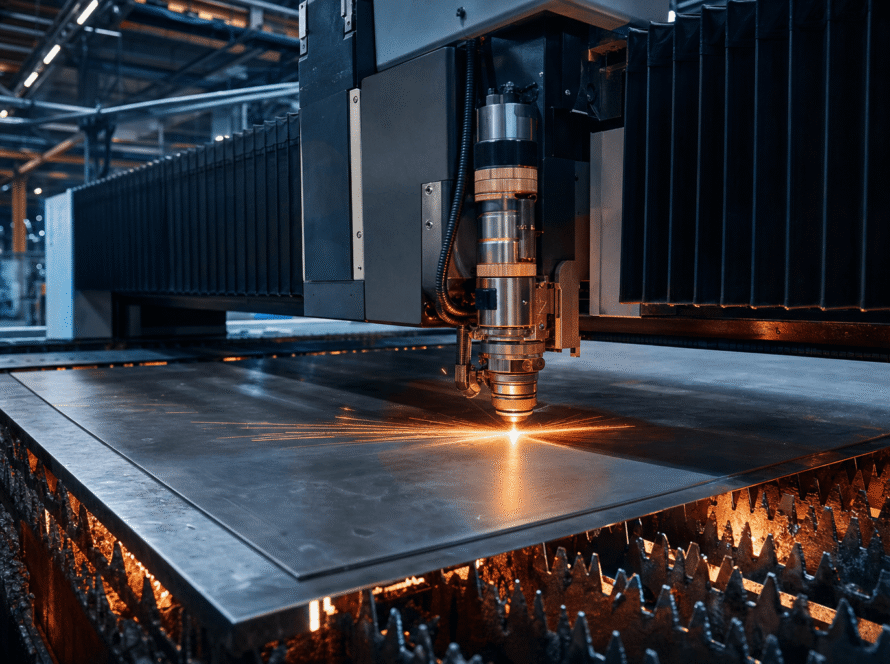
Laser cutting leverages a highly focused laser beam to cut metals and other materials. This precise method offers high accuracy, with tolerances typically ranging between 0.1 to 0.2 mm for thin sheets, according to data from LIA (Laser Institute of America). Laser cutting also boasts clean edges, which reduces the need for post-processing, especially with thinner materials.
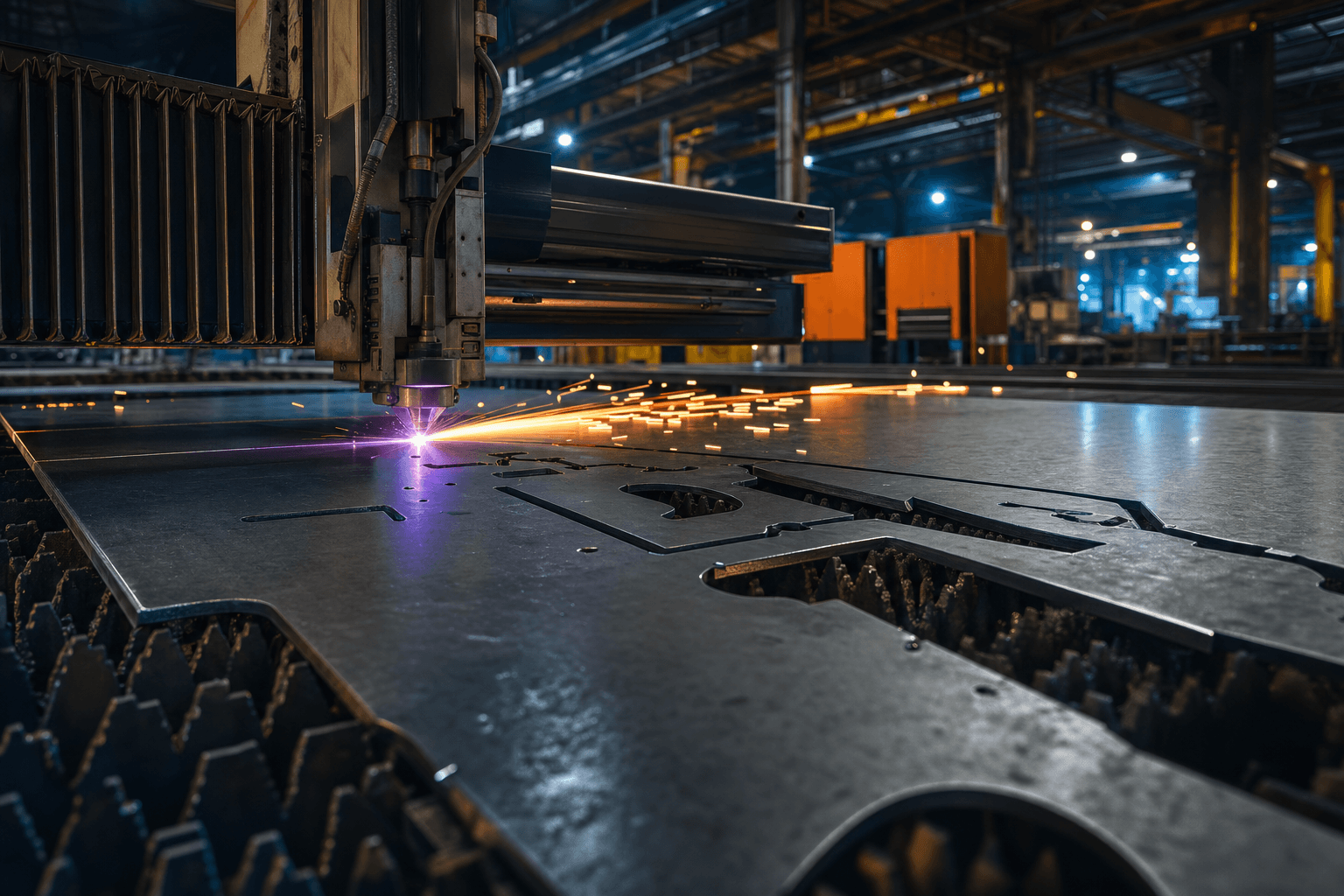
In contrast, plasma cutting utilizes a high-velocity jet of ionized gas that conducts electricity, creating an intense heat capable of melting and cutting metals up to several inches thick. According to a report by the American Welding Society, plasma cutting is generally favored for rapid cutting thicker materials, though it may require additional finishing operations due to broader kerf lines and potential slag formation.
Cost Implications
The choice between laser and plasma cutting will significantly influence operational costs. A McKinsey report notes that laser cutting setups are generally more expensive initially, due to the sophisticated technology and precision optics involved. However, for applications prioritizing minimal waste and high accuracy, the investment often pays off in reduced material costs and leaner supply chain management.
Plasma systems, noted by the Energy Information Administration, tend to have lower upfront costs, and they are less expensive to maintain, making them suitable for smaller operations or projects with thinner profit margins. However, the longer term costs might accrue via inefficiencies in materials or added surface finishing cycles.
Consideration of Industry Applications
Choosing the right cutting technology also depends on the specific industry applications. In sectors such as aerospace and automotive manufacturing, precision and consistency from laser cutting are vital. Alternatively, plasma cutting is often the tool of choice in heavy industries where thicker materials, such as steel plates for shipbuilding or structural elements, are standard.
Factories like Dongji Intelligent Equipment in the our 30,000m² factory in the Greater Bay Area have demonstrated how mid-tier Chinese OEMs are closing the automation gap with European competitors by investing in both laser and plasma technologies, maximizing both precision and versatility in metal fabrication.
Comparison: Laser vs Plasma
| Feature | Laser Cutting | Plasma Cutting |
|---|---|---|
| Tolerance | 0.1 – 0.2 mm | 0.5 – 1.5 mm |
| Thickness Capability | Up to 20 mm | Up to 200 mm |
| Setup Cost | High | Medium to Low |
| Speed | Slower for thick materials | Faster for thick materials |
| Edge Quality | High | Lower, requires finishing |
Regulatory and Quality Considerations
Compliance with industry standards is essential regardless of the chosen technology. It’s critical to ensure that all cutting processes adhere to ISO 9013:2017, which specifies the quality classification for thermal cuts of metallic materials. This can inform procurement decisions by providing benchmarks for acceptable quality levels concerning edge roughness and perpendicularity.
Additionally, safety standards must be maintained. Both laser and plasma cutters pose hazards; lasers through reflections and plasmas through ultraviolet light and gas emissions. Ensuring proper equipment shielding and operator training as per OSHA standards is imperative.
Conclusion
As manufacturing evolves, so too do the technologies that drive efficiency and precision in fabrication. Deciding between laser and plasma cutting involves balancing initial costs, material capabilities, and intended applications. The future might favor hybrid approaches or innovations that take strengths from both technologies. As such, staying informed and adaptable remains key for procurement managers.
common manufacturing questions Questions
Q: What are the benefits of laser cutting in precision industries?
A: Laser cutting offers high precision and minimal waste, making it ideal for industries like aerospace and electronics, where exact specifications and clean cuts are paramount.
Q: Is plasma cutting suitable for thin sheets?
A: Plasma cutting is generally more suitable for thicker materials. While it can cut thin sheets, it may leave a larger kerf and require more post-processing compared to laser cutting.
Q: How does automation impact cutting technology selection?
A: Automation can enhance efficiency for both cutting methods. Automated laser systems may increase precision and reduce labor costs, while automated plasma systems can boost throughput for cutting thicker materials.
Further Reading
Have a specific procurement question? Our buyer FAQ
addresses common concerns around lead time, certifications, and DFM.
For factory verification standards, see our 12-step manufacturing process documentation.