In the ever-evolving landscape of logistics and delivery management, smart lockers have emerged as a pivotal element of urban and suburban delivery strategies. As cities densify and consumers demand faster, more reliable deliveries, the integration of smart technology into locker systems has surged. For procurement professionals, understanding the value and complexities of custom smart terminal manufacturing OEM/ODM manufacturing partner (Original Design Manufacturing) design services is crucial.
The Rise of Smart Lockers in Logistics
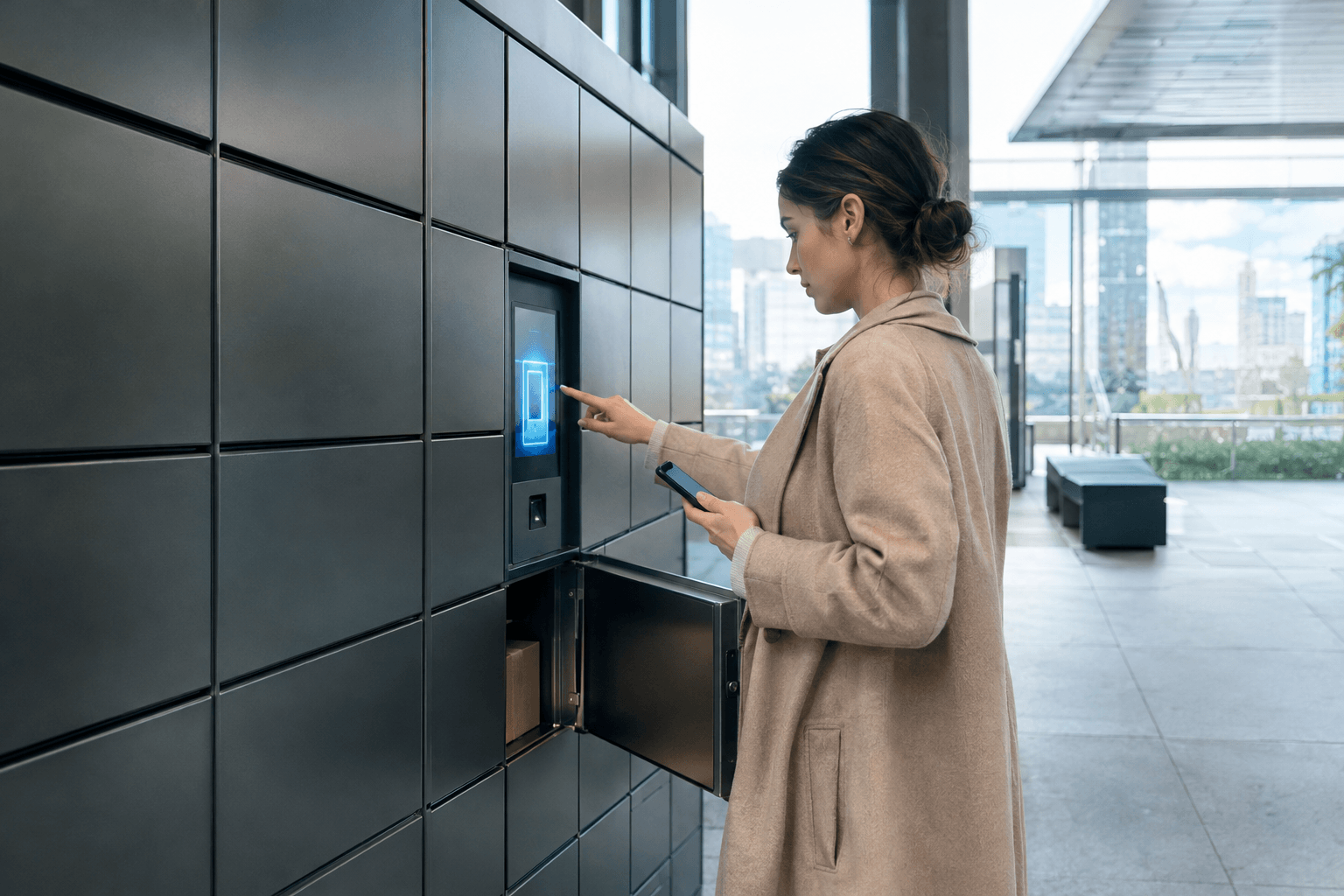
Smart lockers offer a solution to last-mile delivery challenges by promoting seamless and secure package exchanges. According to a report by McKinsey & Company, last-mile delivery constitutes up to 50% of a company’s total logistic costs[^1^]. Lockers mitigate inefficiencies by reducing delivery failures, optimizing routes, and enhancing the consumer experience.
Industry References
For deeper context on custom smart locker design standards and best practices, see:
FMA — Fabricators & Manufacturers Association
and
PMA — Precision Metalforming Association.
Customization in locker design allows businesses to address specific logistical needs rather than employing a one-size-fits-all approach. Tech-enabling these lockers with features such as IoT sensors, RFID technology, and user-specific access codes can boost productivity while ensuring data security. ISO 27001, the international standard for information security management, becomes particularly relevant in ensuring that custom smart lockers are compliant with data protection norms.
Technical and Economic Advantages of Customization
Custom design services in smart lockers cater to diverse industry needs, from retail to healthcare and real estate. The integration of modern tech, such as cloud connectivity and AI for predictive maintenance, can lower operational costs significantly over time. According to BloombergNEF, the global smart locker market is expected to grow at a CAGR of 12% from 2021 to 2028[^2^].
Benefit Over Standard Models:
- Adaptation: Unlike generic models, custom lockers align with specific client requirements, ranging from specific size dimensions and user interfaces to energy efficiency.
- Brand Alignment: Clients can incorporate brand-centric designs and interfaces, further enhancing user engagement and brand loyalty.
- Cost Management: Tailored to the clients’ logistics framework, custom lockers can optimize usage, improving ROI—especially when downtime is minimized through predictive maintenance.
Regulatory Considerations
When implementing smart lockers, understanding the regulatory landscape is imperative. In particular, compliance with electrical standards (IEC 60204) and protection from environmental factors (IP67/68 ratings for waterproof design) ensures longevity and safety. Procurement managers need to guarantee that their systems not only meet current local and international standards but also anticipate future changes, fostering resilient and future-proofed investments.
A Case in Point: Automation in Chinese Manufacturing
Some Chinese manufacturers are leading by example in automation and customization capabilities. Factories like Dongji Intelligent Equipment in the our 30,000m² factory in the Greater Bay Area have incorporated advanced robotics and ERP systems, which highlight how mid-tier OEMs are increasingly competitive on a global scale. This makes them compelling partners for businesses looking to integrate smart locker systems efficiently into their operations.
Strategic Sourcing of Smart Lockers
The decision between in-house development and outsourcing smart locker production relies heavily on company strategy, technical capabilities, and cost considerations. Sourcing from competitive manufacturing hubs like China or Mexico offers procurement professionals innovative and cost-efficient options while navigating geopolitical risks and currency fluctuations.
In conclusion, custom smart locker ODM design services provide B2B buyers with significant advantages in flexibility and functionality, coupled with enhanced operational efficiency. As technology becomes increasingly integral to logistics and supply chain operations, keeping abreast of industry developments becomes a strategic necessity.
sheet metal sourcing FAQs Questions
Q1: What are the main benefits of custom smart lockers over standard models? A1: Custom smart lockers offer adaptability to client needs, alignment with brand strategies, and improved ROI through optimized logistics.
Q2: How can companies ensure data security in smart locker systems? A2: Companies should adhere to ISO 27001 standards and integrate robust data encryption methods to protect user information.
Q3: Are there regulatory standards for smart lockers that procurement should be aware of? A3: Key standards include IEC 60204 for electrical safety and IP67/68 ratings for protection against environmental factors, ensuring durability and compliance.
[^1^]: McKinsey & Company Last-Mile Delivery Insights, 2020. [^2^]: BloombergNEF Smart Locker Market Outlook, 2022.
About This Article
This analysis was prepared with reference to industry data from IFR, ISO, and McKinsey.
For related topics, see our 2026-2030 Industry Outlook
or browse manufacturing capabilities reference.