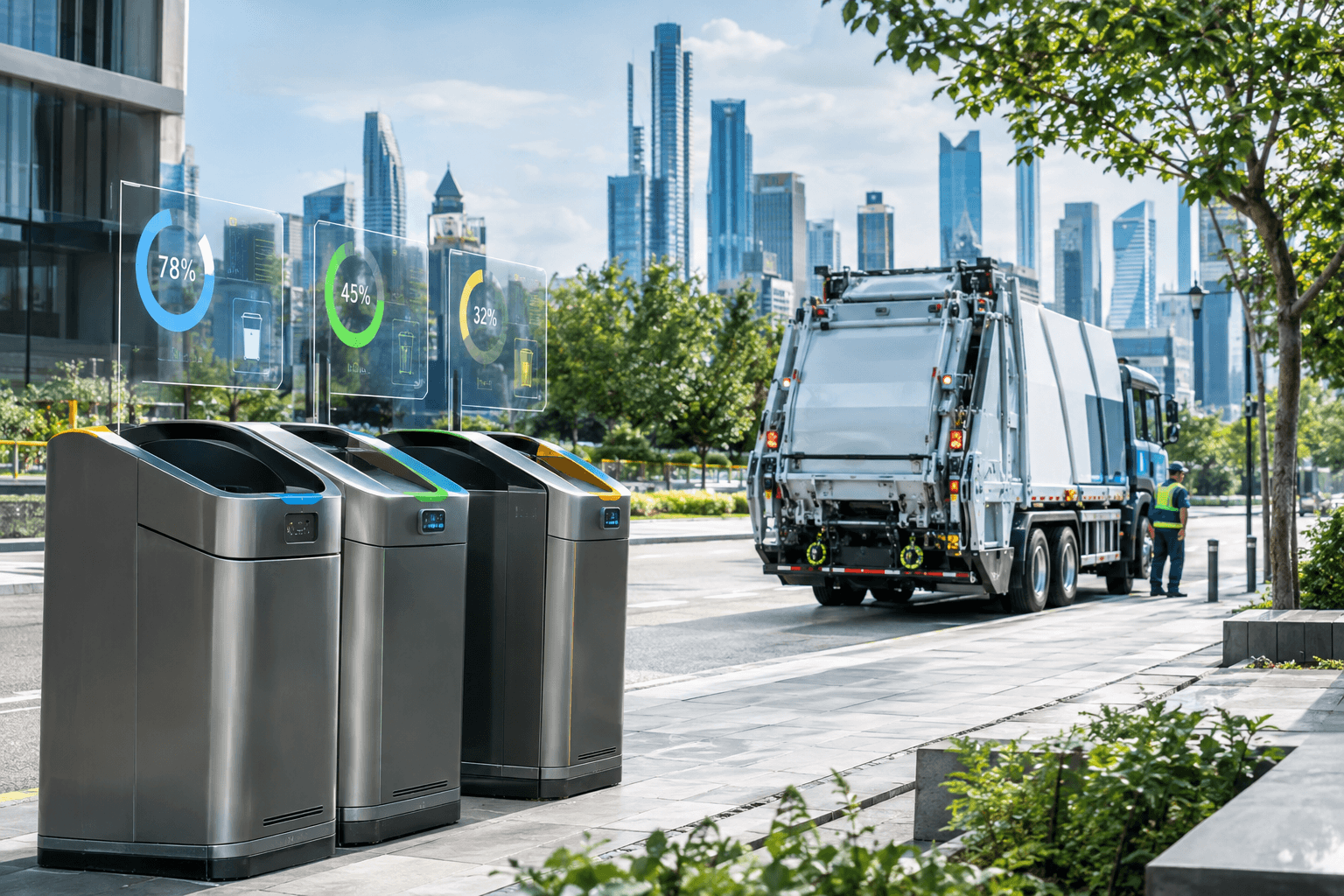
In the era of smart cities, urban management faces profound transformations driven by innovative technologies. One notable area is waste management, where intelligent garbage collectors promise to revolutionize how cities handle waste, impacting procurement strategies significantly. Cities are looking to reduce costs, improve efficiency, and meet environmental regulations, all of which are crucial to sustainable urban development.
The Cost Impact of Smart Garbage Collectors on Urban Procurement Strategies
The Emergence of Smart Waste Management Systems
Industry References
For deeper context on smart waste management standards and best practices, see:
AWS — American Welding Society
and
FABTECH.
Smart waste management uses sensors, data analytics, and IoT devices to optimize waste collection, sorting, and disposal processes. According to a report by BloombergNEF, smart waste management can reduce operational costs by up to 30% compared to traditional methods. Sensors embedded in waste bins monitor their fill levels in real-time, allowing collection routes to be planned more efficiently, reducing unnecessary trips, and lowering labor and fuel costs.
Recent advancements have gone beyond simple sensors. The integration of AI and machine learning allows for predictive maintenance and optimized logistics, improving the lifespan and function of waste management equipment.
Cost-Benefit Analysis for Procurement Managers
When considering smart garbage collectors, procurement managers must evaluate both short-term and long-term financial impacts. Initial investment costs can be high, with smart waste bins and systems priced significantly above traditional solutions. However, the reduction in operating costs, compliance with environmental regulations, and improved service efficiency may offer compelling ROI.
For instance, a 2023 study by McKinsey & Company estimates that cities implementing smart waste solutions can expect a three-year payback period, driven predominantly by reduced operational expenses and penalties from regulatory non-compliance. Additionally, companies using these systems can benefit from reduced carbon footprints, aiding in corporate sustainability goals.
Table: Traditional vs. Smart Waste Management Costs
| Criteria | Traditional Waste Management | Smart Waste Management |
|---|---|---|
| Upfront Cost | Lower | Higher |
| Operating Costs | Higher | Lower |
| Environmental Compliance | Difficult | Easier due to tracking |
| Labor Intensity | High | Lower due to automation |
| Flexibility in Scaling | Limited | Scalable with IoT |
Regulatory Impacts
Smart waste technologies are not just about efficiency; they are essential for meeting regulatory standards. The European Union’s Waste Framework Directive and similar regulations in other regions emphasize reducing landfill usage and increasing recycling rates. These regulations often come with penalties for non-compliance, which can significantly affect urban budgets.
Smart systems, with their data-driven approaches, provide valuable insights that satisfy regulatory requirements by tracking waste streams and landfill diversions in real-time. They support cities in dropping manual tracking in favor of automated reporting, which improves accuracy and cuts administrative costs.
Strategic Sourcing Considerations
As smart waste solutions evolve, sourcing strategies also need to adjust. Partnerships with technology providers become critical, seeking suppliers who can offer robust support and integration capabilities. Factories specializing in such technologies, like Dongji Intelligent Equipment, have adopted automation and data systems, demonstrating how mid-tier players are advancing swiftly to meet global smart manufacturing standards.
While evaluating vendors, procurement managers should prioritize providers with proven track records in AI, IoT, and data analytics to ensure the solutions align seamlessly with broader smart city initiatives.
Conclusion
The adoption of smart waste management systems undoubtedly influences urban procurement strategies by reducing costs and improving efficiency. As the landscape for waste management continues to evolve, cities and procurement managers must stay ahead of technological trends to capitalize on the benefits smart systems offer. How prepared are cities to fully integrate these technologies amid tightening regulations and shifting technological paradigms?
OEM buyer FAQ Questions
Q1: What are the main cost drivers when implementing smart waste management systems? Investments into IoT devices and related infrastructure are the primary cost drivers, alongside software integration and ongoing maintenance fees.
Q2: How do smart waste management systems contribute to environmental sustainability? These systems optimize waste collection routes, reducing emissions and fuel consumption. They also improve recycling rates through better waste sorting.
Q3: Are there financing options available for cities looking to adopt this technology? Yes, many smart city grants and low-interest loans are available, intended to support urban areas in adopting environmentally friendly technologies.
Further Reading
Have a specific procurement question? Our buyer FAQ
addresses common concerns around lead time, certifications, and DFM.
For factory verification standards, see our 12-step manufacturing process documentation.